International summit discussing global climate change policies with delegates from various nations gathered around a large table.

Global Leaders Convene for Crucial Climate Summit Amidst Rising Temperatures

In a pivotal moment for international environmental policy, leaders from over 150 nations have gathered in Geneva for the annual Global Climate Accord Summit. The critical three-day event aims to address escalating global temperatures, strengthen commitments to carbon neutrality, and fund adaptation strategies for vulnerable nations. The summit comes at a time when scientific reports indicate a faster-than-anticipated warming trend, with unprecedented heatwaves and extreme weather events becoming increasingly common across continents.

The primary agenda item is the revision and enhancement of the Paris Agreement targets, with a focus on accelerating the transition to renewable energy sources and phasing out fossil fuels. Discussions are expected to be robust, particularly concerning the equitable distribution of financial burdens and the technological transfer required to support developing countries in their climate mitigation efforts. Observers note a palpable urgency in the air, as the window for meaningful action narrows. The summit's outcome is anticipated to set the tone for global environmental policy for the next decade, potentially influencing everything from energy markets to agricultural practices.

Specific proposals include the establishment of a global green technology fund, managed by a new international body, to facilitate the widespread adoption of solar, wind, and geothermal power. Delegates are also debating stricter regulations on industrial emissions and deforestation, with mechanisms for accountability and enforcement being a key point of contention. The participation of major industrial powers and emerging economies is crucial, as their cooperation will determine the overall effectiveness of any new agreements reached.
Top World Headlines

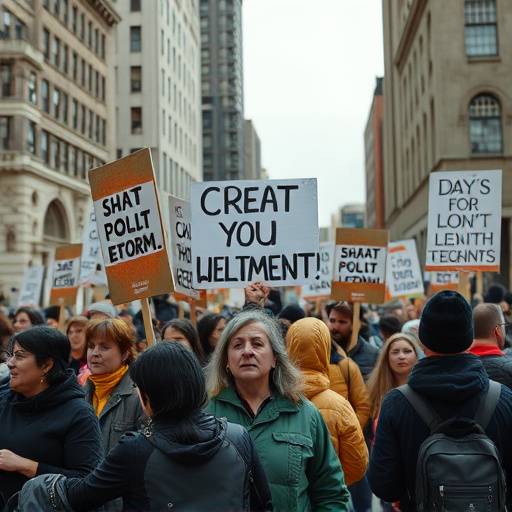
Protestors in a major city square holding signs demanding political reform.

Protests Erupt in Eastern European Nation Over Economic Reforms

Thousands have taken to the streets in the capital city of Veridia, protesting controversial new economic austerity measures implemented by the government. Concerns are high over job losses and the impact on social services.

Satellite image showing a developing tropical storm over a warm ocean.

Category 4 Hurricane Threatens Caribbean Islands

Meteorologists are closely monitoring Hurricane 'Zephyr,' which has intensified rapidly and is now projected to make landfall on several popular tourist destinations in the coming days. Evacuations are underway.

Scientists in a lab examining a new pharmaceutical compound under a microscope.

Breakthrough in Tropical Disease Research Offers New Hope

A collaborative research team from the Global Health Institute has announced a significant advancement in developing a novel treatment for the debilitating Marburg fever, offering a glimmer of hope for millions.

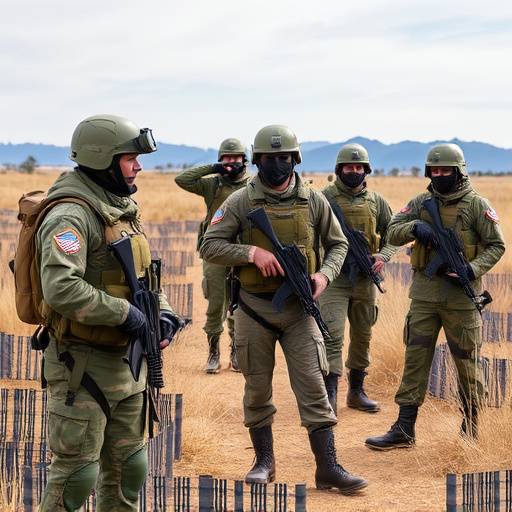
Peacekeepers observing a border region after a reported ceasefire.

Tensions Ease Slightly in South Asian Border Dispute

Following intense diplomatic negotiations, a fragile ceasefire has been declared between the nations of Khazaria and Bordonia along their disputed northern border. International observers remain cautious.

Regional Spotlights

Asia-Pacific Dynamics

  • South China Sea Tensions Simmer as Naval Drills Intensify

  • India's Economic Growth Surges Amidst Technological Advancements

  • Evolving Political Landscape in Myanmar Under Scrutiny

Africa's Emerging Markets

  • Investment Surges in Renewable Energy Projects Across the Continent

  • Challenges and Opportunities in West African Food Security

  • The Growing Influence of African Youth in Global Affairs

Latin America's Political Currents

  • Ecuadorian Elections: A Nation Navigates Political Uncertainty

  • Amazon Rainforest Conservation Efforts Face New Hurdles

  • The Digital Revolution Transforming Brazilian Industries

Global Affairs Analysis

The Shifting Sands of Geopolitics: A New Multipolar World?

By Dr. Evelyn Reed, Senior Fellow at the Dublin Institute for International Studies

The international order, long dominated by a singular superpower, is undergoing a profound transformation. The rise of multiple economic and political centers of influence is reshaping global alliances, trade routes, and security architectures. This emerging multipolar landscape presents both unprecedented opportunities for diverse voices to be heard and significant challenges in managing global commons and resolving interstate conflicts.

We are witnessing a complex interplay of cooperation and competition. Nations are increasingly pursuing their own strategic interests, sometimes diverging from established norms, while simultaneously recognizing the necessity of collective action on issues like climate change, pandemics, and cyber security. The role of international institutions is being tested, demanding adaptation and reform to remain relevant in this dynamic environment.

"Navigating this new era requires astute diplomacy, a commitment to multilateralism, and a willingness to understand diverse perspectives. The old paradigms no longer suffice."

The challenge for policymakers worldwide is to foster a more stable and equitable global system. This involves strengthening regional blocs, promoting inclusive governance, and ensuring that technological advancements benefit all of humanity rather than exacerbating existing inequalities. The choices made today will define the geopolitical landscape for generations to come, demanding foresight and a steadfast dedication to peace and prosperity.